

What Sets Professional Body Sculpting Apart From At-Home Devices
Body sculpting has grown in popularity as more people seek effective ways to reshape and tone their bodies. With options ranging from professional clinic treatments to at-home devices, understanding the differences between these approaches is essential for making informed choices. While both methods offer benefits, factors such as efficacy, technology, safety, and personalized support can significantly influence results. This article explores the key distinctions between professional body sculpting and at-home devices, helping readers determine which approach best suits their goals and lifestyle.
1. Speed and Effectiveness of Professional Body Sculpting
The world of body sculpting has expanded significantly, offering options from professional treatments to at-home devices. Both have unique benefits, yet understanding their differences is vital in choosing the right approach. One key factor is the speed of visible results. Professional body sculpting treatments typically provide quicker outcomes due to high-grade clinic equipment and targeted techniques. Many clients notice noticeable changes after just a few sessions. At-home devices, while convenient, generally require consistent use over a longer period before results become apparent. Although both approaches can be effective, professional treatments offer a faster timeline for achieving desired outcomes.
Longevity of results is another advantage of professional body sculpting. Clinics utilize advanced technologies that target fat cells and improve skin elasticity more effectively, producing longer-lasting changes. Aftercare guidance further enhances these outcomes. In contrast, at-home devices often need continual use to maintain results, which can be burdensome for users. Additionally, professional services allow precise targeting of specific areas, offering refined body contouring that is difficult to replicate at home. This level of accuracy often leads to more satisfying and tailored transformations. According to ZME Science, nearly 38 million aesthetic procedures were performed globally in 2024, reflecting the success of professional interventions.
2. Advanced Technology and Equipment
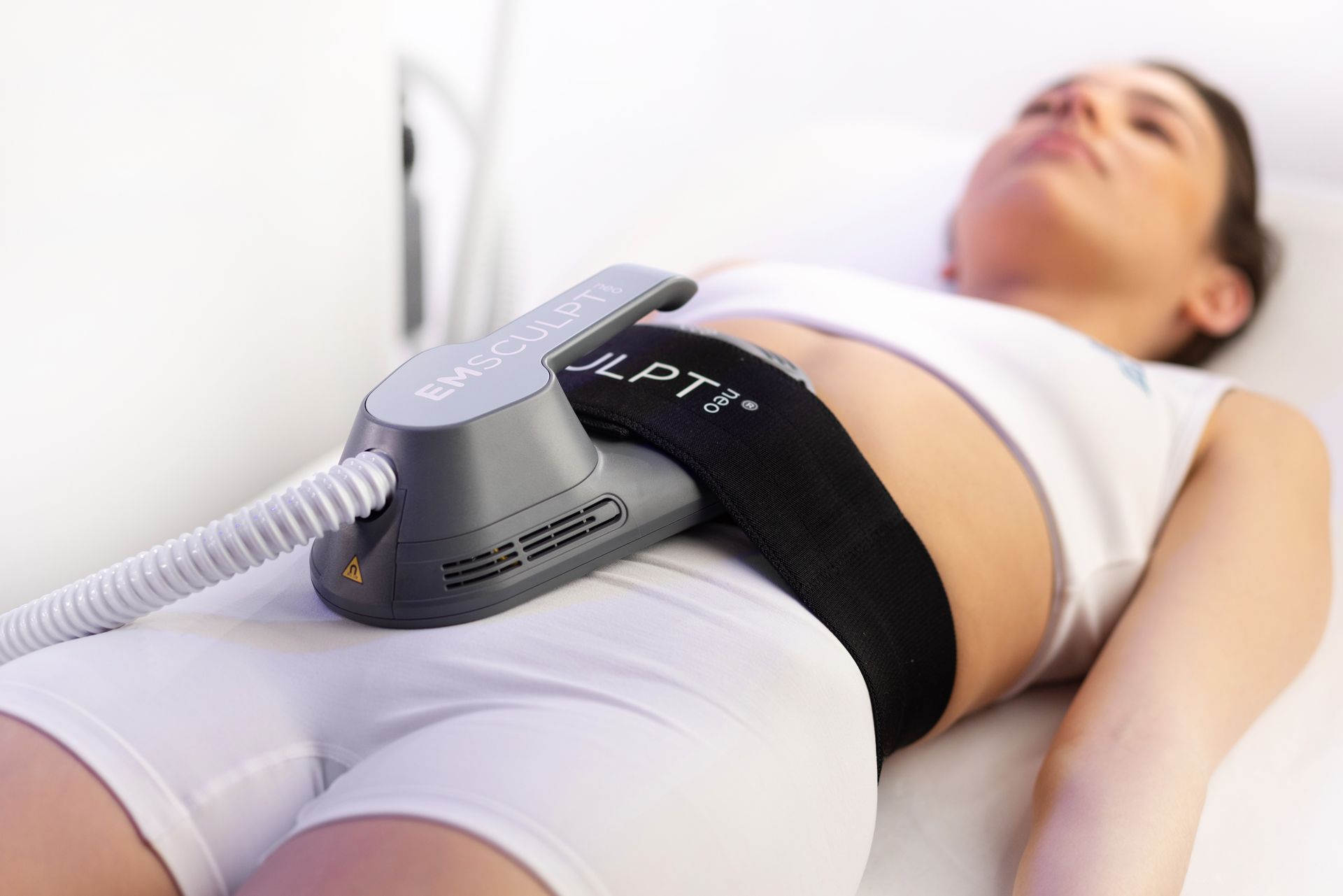
Professional body sculpting clinics employ advanced tools not typically available for home use, such as lasers, radiofrequency devices, and cryolipolysis machines. These tools provide thorough treatments that can produce more noticeable and effective results. Clinics frequently upgrade their equipment to incorporate the latest advancements, ensuring clients benefit from state-of-the-art technology. At-home devices, while effective to a degree, often operate on simplified versions of these technologies, limiting their impact.
Safety is another key difference. Clinics implement rigorous protocols, and certified technicians are trained to operate specialized equipment safely. This reduces the risk of misuse or adverse effects and provides reassurance for clients. At-home devices include safety features, but users bear full responsibility for correct application. Professional clinics also offer a wide range of treatment options and the flexibility to combine techniques, whereas at-home devices generally provide fewer choices. This breadth allows clinics to tailor treatments to individual goals, increasing the likelihood of effective outcomes.
In addition, professional clinics provide ongoing monitoring and support throughout the treatment process. Technicians can adjust settings, modify techniques, or recommend complementary therapies based on each client’s progress, ensuring optimal results. This level of supervision is particularly important for individuals with specific health considerations or areas that require precise targeting. At-home devices, by contrast, lack this personalized oversight, which can lead to inconsistent results or slower progress. Having expert guidance in a clinical setting ensures treatments are both safe and maximally effective.
3. Expertise and Oversight in Body Sculpting
Professional clinics are staffed with certified technicians trained in body sculpting techniques. These experts create personalized treatment plans based on individual body types, goals, and health considerations. Personalized strategies ensure clients achieve optimal results while minimizing risk. Continuous monitoring throughout the treatment process allows for adjustments as needed, enhancing safety and efficacy.
Clinics also have the capacity to handle adverse effects. Technicians can recognize complications early and provide appropriate care, including medical interventions if necessary. This professional oversight is largely absent in at-home devices, where users are responsible for their own safety. Additionally, professional clinics demonstrate expertise in a variety of sculpting techniques, including laser-assisted lipolysis and CoolSculpting. This variety ensures treatments are tailored to the client's unique needs, whereas at-home devices typically offer a one-size-fits-all approach.
4. Safety Standards and Regulations
Professional body sculpting clinics adhere to strict health and safety standards. Regular inspections and compliance with regulatory guidelines ensure treatments are conducted safely. Hygiene and sterility protocols reduce the risk of infection, while risk assessment and mitigation strategies protect clients from potential complications. At-home devices, although designed with safety features, do not have the same level of regulatory oversight, leaving users responsible for safe application.
These standards also extend to professional training and certifications, which guarantee that technicians have the knowledge to operate equipment effectively. Regulatory oversight reinforces patient confidence in professional clinics and differentiates them from less regulated at-home solutions. Consumers benefit from the structured environment and comprehensive safety measures offered in professional settings, which reduce potential hazards and enhance treatment satisfaction.
5. Cost and Accessibility Considerations
Professional body sculpting treatments tend to have higher upfront costs compared to at-home devices. Factors such as the type of treatment, the number of sessions, and the location of the clinic influence pricing. Despite the higher initial investment, the potential for faster, more noticeable, and long-lasting results can make professional treatments cost-effective in the long term. Many clinics also offer financing options or package deals to make services more accessible.
At-home devices, while less expensive, may require repeated use to achieve results, potentially diminishing cost-effectiveness over time. However, their portability and ease of use make them convenient, particularly for those living in areas with limited access to clinics. Geographic accessibility is another consideration; professional clinics are often concentrated in urban areas, whereas at-home devices provide a solution regardless of location. Choosing between cost and convenience requires careful evaluation of individual priorities and goals.
6. Psychological and Motivational Factors
Professional body sculpting treatments provide a structured experience that can motivate clients to remain committed to their goals. Scheduled sessions and the investment involved encourage adherence to the treatment plan. The accountability offered by trained practitioners helps ensure consistent progress and encourages clients to stay on track.
At-home devices, by contrast, rely heavily on self-motivation and discipline. Without the structure of appointments or professional oversight, users must maintain consistency on their own. While this approach allows flexibility, it can lead to inconsistent use or diminished outcomes. Social proof and community support further differentiate professional services. Clinics often cultivate a trusted reputation and foster a sense of community among clients, reinforcing commitment and providing reassurance regarding treatment efficacy.
7. Real-World Evidence and Patient Outcomes
Professional clinics document client progress with before-and-after photos, case studies, and testimonials. This evidence provides tangible proof of efficacy and builds confidence for prospective clients. At-home devices may have user reviews, but they generally lack the comprehensive documentation and clinical validation of professional treatments. Reliable data on treatment success, such as global procedural statistics, further supports the decision to choose professional body sculpting for those seeking significant, long-lasting results.
Overall, professional clinics deliver results that are typically more precise, predictable, and sustainable due to the combination of advanced technology, trained personnel, and continuous monitoring. Consumers looking for optimal outcomes often benefit from the oversight and expertise that only professional settings can provide.
In conclusion, body sculpting through professional clinics offers faster results, advanced technology, personalized treatment, and enhanced safety compared to at-home devices. While at-home options provide convenience and cost savings, professional services remain the gold standard for those seeking effective and long-lasting transformations. According to ZME Science, nearly 38 million aesthetic procedures were performed globally in 2024, highlighting the widespread reliance on professional treatments. To achieve the best outcomes for your body sculpting journey, schedule a consultation with Sarasota Chiropractic and Physical Therapy today and experience expert care tailored to your goals.


Share On: